
Traditional vs Digital Marketing: What Works in India Today?
In India’s diverse and fast-changing business environment, the debate between traditional vs digital marketing is stronger than ever. With digital platforms expanding rapidly and traditional methods still holding their ground, Indian businesses often wonder:
What works better in today’s India?
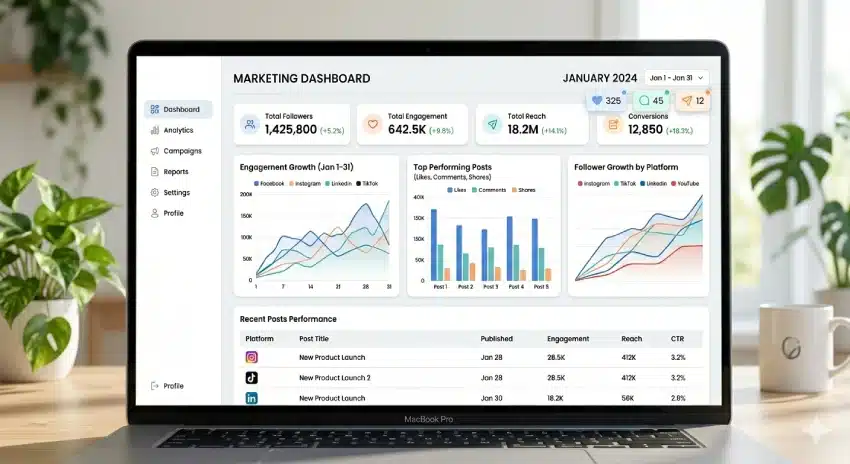
Let’s break it down clearly and insightfully. According to Google Marketing Insights, digital ad spending in India has seen a sharp rise in 2024.
What is Traditional Marketing?
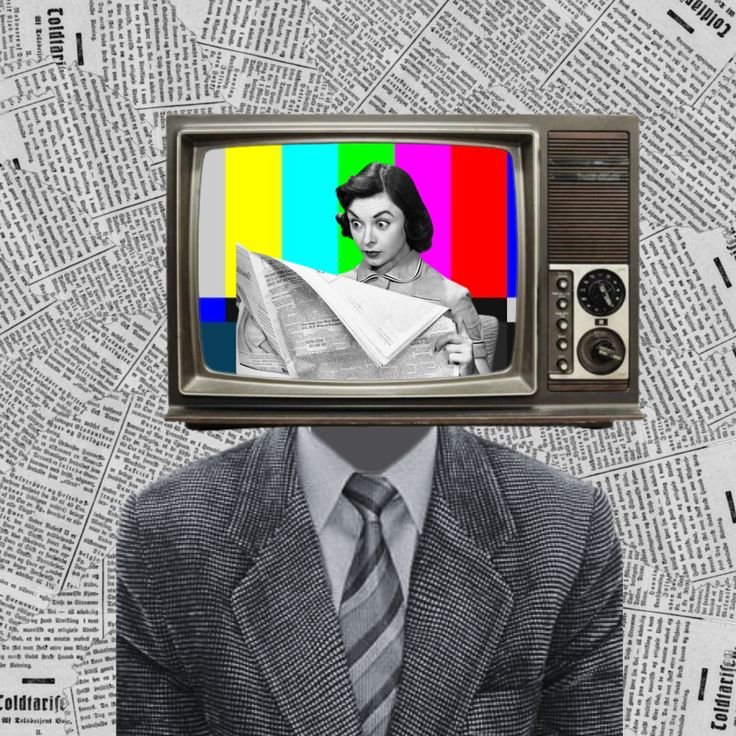
Traditional marketing includes classic methods like:
- TV and radio ads
- Newspaper and magazine promotions
- Posters, flyers, and pamphlets
- Hoardings and billboards
- Door-to-door sales and word-of-mouth
These strategies have built brands for decades. Even today, they are highly effective in rural India and tier-2 cities, where face-to-face interaction and mass media still dominate.
What is Digital Marketing?
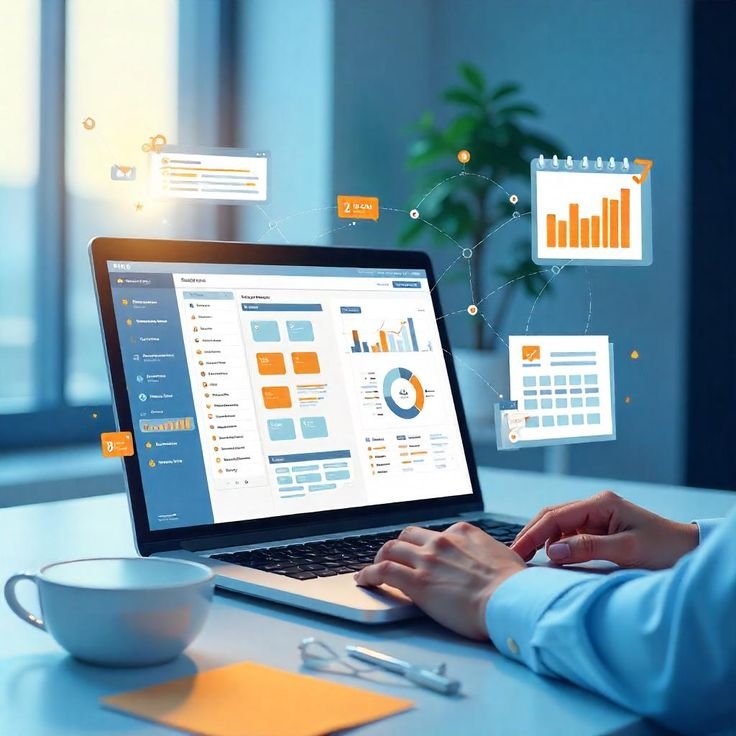
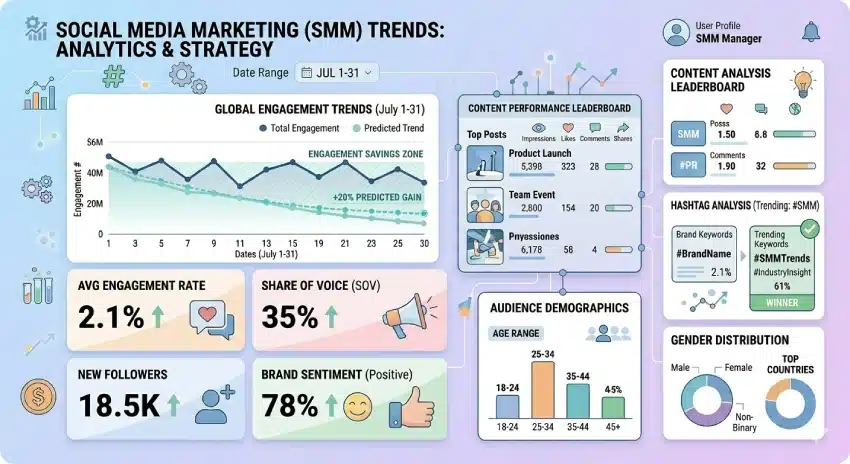
Digital marketing in India refers to online strategies such as:
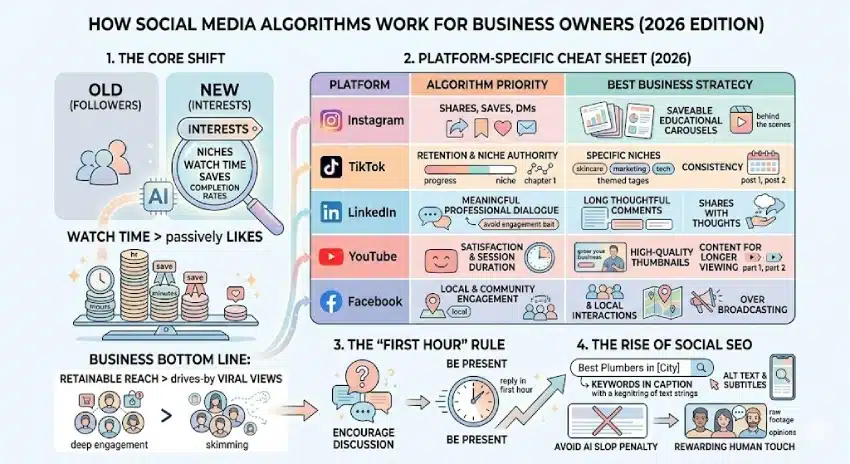
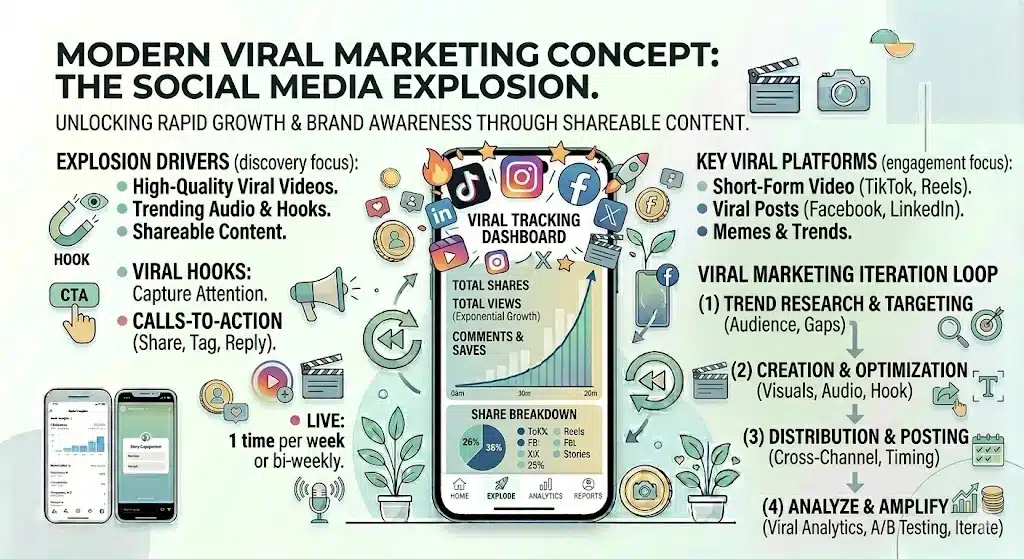
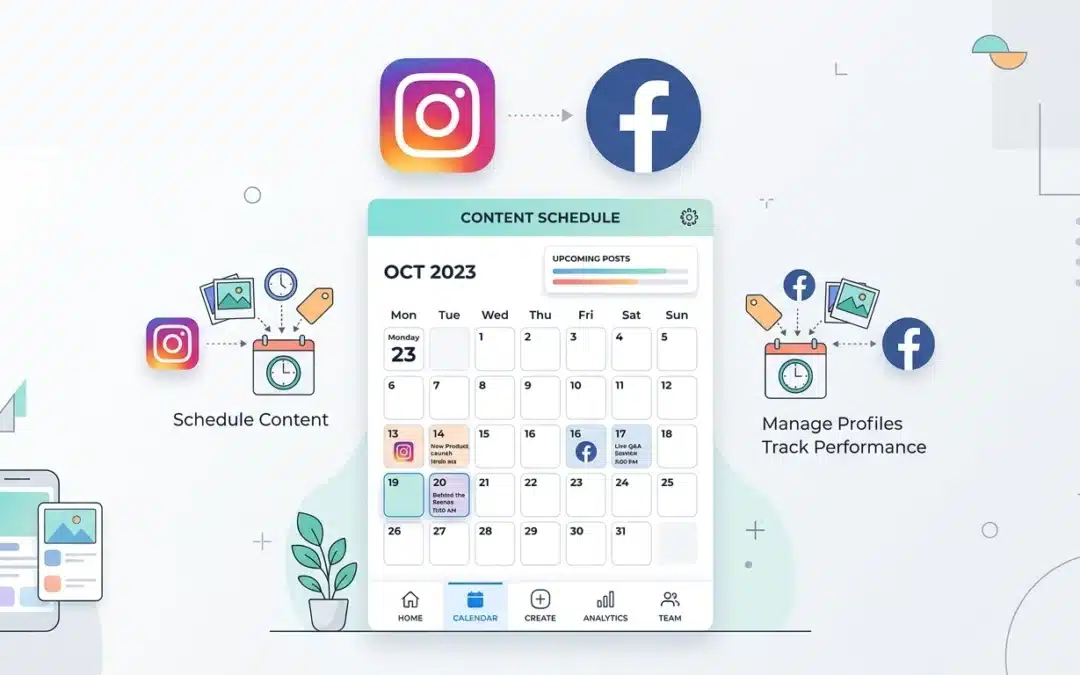
- Social media ads (Instagram, Facebook, YouTube)
- Google Ads and search engine promotions
- Email marketing and WhatsApp campaigns
- Influencer collaborations
- Blogging and content marketing
This form of marketing is cost-effective, measurable, and highly targeted. With India’s growing smartphone penetration and internet usage, it is the go-to for reaching urban and young consumers.
Marketing in India: A Mixed Landscape
India is a land of contrasts. While metro cities like Mumbai, Bangalore, and Delhi are immersed in digital, many smaller towns still rely heavily on newspapers, local hoardings, and in-person recommendations. The most successful Indian brands often take a hybrid approach, combining traditional and digital methods.
For example:
- A fashion brand might use Instagram Reels to attract Gen Z while distributing catalogs in local stores.
- A real estate business may run Facebook ads while organizing in-person events advertised through flyers.
Why Digital Marketing Is Rising Fast in India

Digital marketing in India is growing rapidly because:
- It’s affordable for startups and small businesses.
- It allows you to reach people in multiple cities, states, or countries.
- You can track every click, lead, and sale.
- It enables direct interaction with customers through comments, messages, and feedback.
Digital platforms also support multiple Indian languages, making it easier to reach regional audiences.
But Traditional Marketing Still Matters
Despite all the technology, traditional marketing strategies are far from dead:
- Political campaigns, religious festivals, or local launches often rely on loudspeakers, banners, and newspaper ads.
- Older adults still trust newspaper classifieds and TV commercials more than internet ads.
- Local businesses benefit from community visibility — a printed pamphlet or poster in a shop might work better than a digital ad.
In short, traditional advertising in India still builds credibility, especially in communities where digital trust hasn’t fully matured.
So, What Works Better?
The right marketing approach in India depends on three main things:
1. Who is your audience?
Urban, young, and tech-savvy? Go digital.
Older, rural, or offline? Traditional might be better.
2. What is your product or service?
Tech gadgets and e-learning platforms perform better online.
Real estate, politics, or FMCG brands may benefit from traditional methods too.
3. What’s your budget?
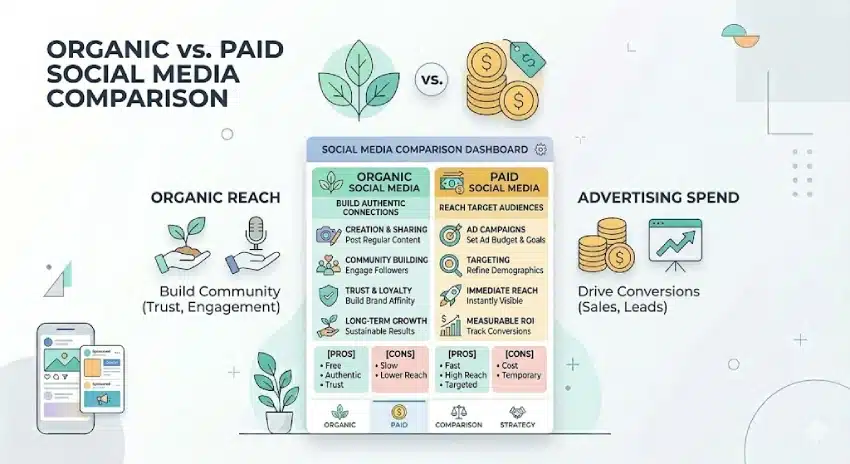
If you want measurable results on a budget, digital wins.
If your goal is wide, offline presence in a specific area, traditional may work best.
Digital Marketing Trends in India You Can’t Ignore
If you’re building a business in 2025, here’s what’s trending in digital marketing in India:
- Regional content and voice search
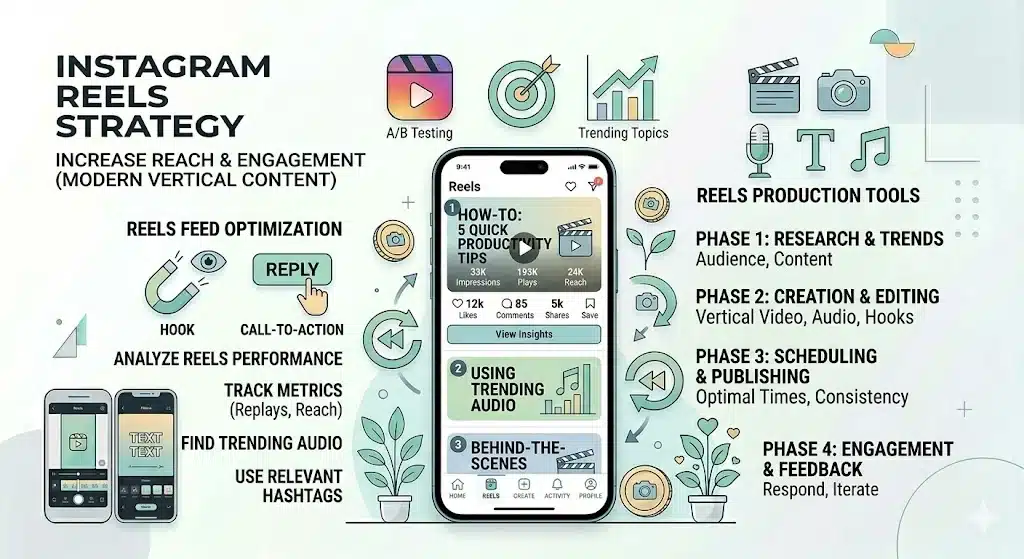
- Short-form video (YouTube Shorts, Instagram Reels)
- WhatsApp marketing for lead generation
- Influencer marketing for local and national impact
- AI-based ad targeting and automation
These trends make digital marketing not just modern, but incredibly powerful when done right.
It’s Not Either/Or — It’s Both
Choosing between digital and traditional marketing doesn’t have to be black or white. The most successful Indian brands understand their audience and blend both strategies for maximum impact.
Digital marketing brings data, scale, and personalization.
Traditional marketing offers trust, reach, and emotional appeal.
Use them strategically, not separately. Combine digital efficiency with traditional trust — and you’ll build a brand that thrives in every part of India.