
Introduction: Understanding Google Algorithm Updates
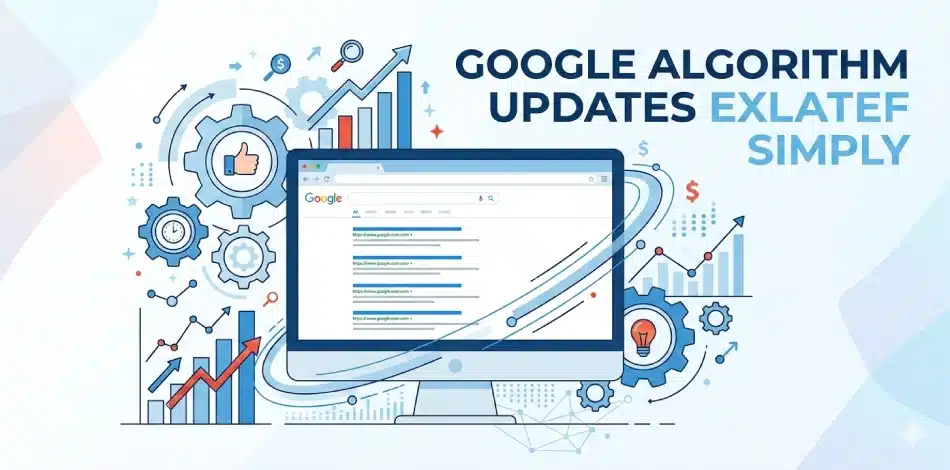
Google Algorithm Updates are changes made by Google to improve the relevance and quality of search results. These updates affect how websites rank, which can directly impact traffic, visibility, and conversions. Understanding these updates is crucial for digital marketers, SEO professionals, and website owners who want to maintain or improve their rankings.
From minor tweaks to major overhauls like Panda or Penguin, each update has specific goals, often focusing on user experience, content quality, or spam prevention. In this guide, we simplify Google algorithm updates, explain their impact on SEO, and provide actionable strategies to stay ahead of the curve.
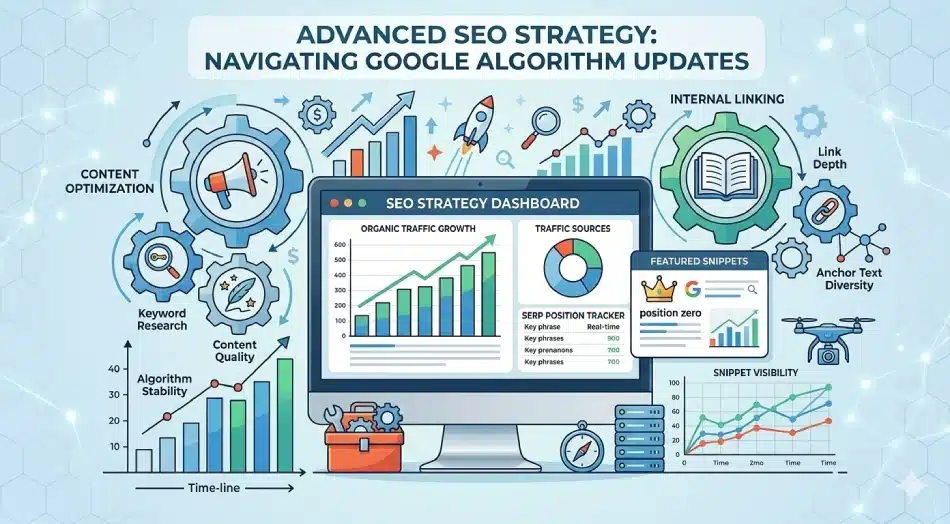
What Are Google Algorithm Updates?
Google uses complex algorithms to determine which pages appear at the top of search results. Algorithm updates are improvements or modifications to these algorithms. They can be:
- Core Updates: Large-scale changes that impact rankings across industries.
- Minor Updates: Small tweaks improving search accuracy and relevance.
- Spam Updates: Target sites using manipulative SEO practices.
- Feature Updates: Introducing new search features like snippets or page experience signals.
For businesses, staying informed about these updates ensures your website remains visible to your target audience and continues driving conversions.
Major Google Algorithm Updates You Should Know
Panda Update
The Panda update focuses on content quality. Websites with thin, duplicate, or low-value content may see ranking drops. Websites with high-quality, informative content tend to benefit. To optimize, regularly audit your content and ensure every page adds real value.
Penguin Update
Penguin targets spammy link-building practices. Sites using unnatural or manipulative backlinks risk penalties. A strong backlink profile with authoritative, relevant links can improve rankings.
Hummingbird Update
Hummingbird emphasizes semantic search. Google now understands the intent behind queries rather than just matching keywords. Creating content that answers user questions and covers topics comprehensively is key.
Mobile-Friendly & Page Experience Updates
Google prioritizes websites that load quickly and are mobile-optimized. Core Web Vitals, including Largest Contentful Paint (LCP) and Cumulative Layout Shift (CLS), are now ranking factors. Investing in responsive design and fast hosting, like Cloud Hosting, can improve performance.
Helpful Content Update
Introduced to reward content created for users rather than search engines. It emphasizes expertise, experience, and authenticity. Following Google’s SEO best practices ensures your content aligns with these guidelines.
How Google Algorithm Updates Affect SEO
Each algorithm update can influence:
- Search Rankings: Websites may rise or drop depending on compliance with update goals.
- Organic Traffic: Changes in rankings directly impact website visits and potential leads.
- Content Strategy: Updates guide marketers on creating higher-quality, user-centric content.
- Link-Building Practices: Emphasis on natural and authoritative links is now stronger than ever.
Understanding the effect of updates helps digital marketers adjust strategies and improve ROI effectively.
Step-by-Step Guide to Handling Algorithm Updates
1. Stay Informed
Follow reliable SEO news sources like Moz Google Algorithm Change History for announcements.
2. Audit Your Website
Regularly review content, backlinks, and website performance to identify areas affected by updates. Tools like Google Search Console and SEMrush can highlight critical issues.
3. Optimize Content
Ensure all pages offer value. Add comprehensive guides, FAQs, and updated information to align with user intent. For advanced strategies, check Web Development services to improve site structure.
4. Improve Technical SEO
Address issues like slow page speed, broken links, and mobile responsiveness. Implement structured data to help Google understand your content better.
5. Monitor & Adjust
After updates, monitor traffic fluctuations and adjust strategies. Use analytics to measure which pages perform well and which need optimization.
Top Tools & Techniques to Stay Ahead
- Google Search Console: Monitor indexing issues and penalties.
- SEMRush / Ahrefs: Track backlinks, keywords, and ranking shifts.
- Content Audit Tools: Identify thin or duplicate content.
- Core Web Vitals Monitoring: Optimize page speed and mobile performance.
Common Mistakes to Avoid
- Ignoring minor updates believing only core updates matter.
- Overstuffing keywords to manipulate rankings.
- Neglecting mobile optimization and page speed.
- Failing to update old content to meet current quality standards.
Best Practices for Long-Term SEO Success
- Create user-focused, informative content that answers real queries.
- Build a natural, authoritative backlink profile.
- Regularly audit website technical health and fix issues promptly.
- Stay updated with Google’s guidelines and algorithm trends.
- Consider ongoing SEO services like SEO optimization packages for continuous improvement.
Case Study: Algorithm Updates and Real Impact
Example: A mid-sized e-commerce site noticed a 30% traffic drop after a Panda update. By auditing content, removing thin pages, and creating comprehensive product guides, traffic recovered within three months. This highlights the importance of aligning content with Google’s quality standards.
Frequently Asked Questions
What are Google Algorithm Updates?
Google Algorithm Updates are changes to Google’s ranking system designed to improve search results. Updates may target content quality, backlinks, or user experience.
How often does Google update its algorithm?
Google makes hundreds of updates yearly, ranging from minor tweaks to major core updates that affect global search rankings.
How can I protect my website from negative impacts?
Focus on high-quality content, ethical SEO, fast loading pages, mobile-friendly design, and regular audits. Services like Website Maintenance can help ensure ongoing compliance.
Conclusion: Staying Ahead of Google Algorithm Updates
Understanding Google Algorithm Updates is essential for any digital marketing strategy. By staying informed, optimizing content, improving technical SEO, and monitoring results, you can maintain strong search visibility. Partnering with experts and leveraging services such as Digital Marketing Courses can enhance your knowledge and ensure your strategies are always up-to-date.
Ready to future-proof your website against algorithm changes? Contact us today to discuss custom SEO and digital marketing solutions.
Advanced Strategies to Navigate Google Algorithm Updates
Beyond basic SEO compliance, adopting advanced strategies ensures your website not only survives algorithm changes but thrives. Here are proven tactics:
1. Topic Clusters and Semantic SEO
Organize content around core topics and related subtopics to signal authority to Google. This approach helps with Hummingbird and Helpful Content updates by showing comprehensive coverage of user intent.
2. Optimize for Featured Snippets
Structure content with clear headings, concise answers, and bullet points. Featured snippets boost visibility and click-through rates, especially after updates prioritizing user-focused answers.
3. Leverage Internal Linking
Internal links distribute authority and improve crawlability. For example, link from your blog to related services like Google My Business or Social Media Management pages to boost conversions naturally.
4. Focus on E-A-T (Experience, Expertise, Authority, Trust)
Algorithm updates increasingly reward credible content. Include author credentials, references, case studies, and secure website practices to build trust and authority.
5. Monitor Competitor and Industry Trends
Track competitors’ responses to algorithm updates to identify opportunities. Tools like SEMrush and Ahrefs help detect content gaps and backlink strategies you can replicate or improve.
6. Regularly Update Evergreen Content
Algorithm updates favor fresh, relevant content. Update older blog posts and guides with new data, visuals, and examples to maintain rankings and engagement.
7. Improve User Engagement Metrics
Low bounce rates, longer dwell time, and higher click-through rates signal quality content. Integrate interactive elements, videos, and visually appealing images to engage visitors effectively.
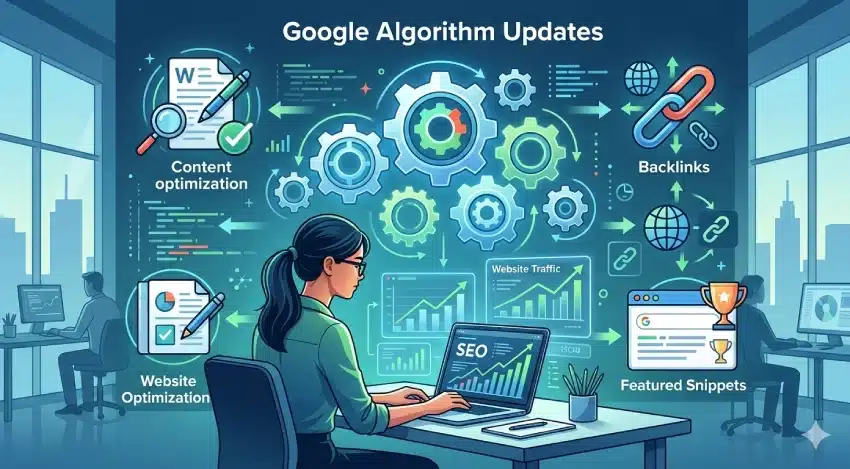
Proactive Steps to Prepare for Future Updates
- Set up automated SEO audits to detect potential issues early.
- Invest in quality backlinks rather than bulk links.
- Prioritize mobile-first and Core Web Vitals optimization.
- Use structured data markup to enhance SERP appearance.
- Educate your team on Google updates through Digital Marketing Courses.
By combining these advanced strategies with ongoing monitoring and continuous optimization, your website remains resilient against fluctuations caused by Google algorithm updates, ensuring long-term growth and digital visibility.