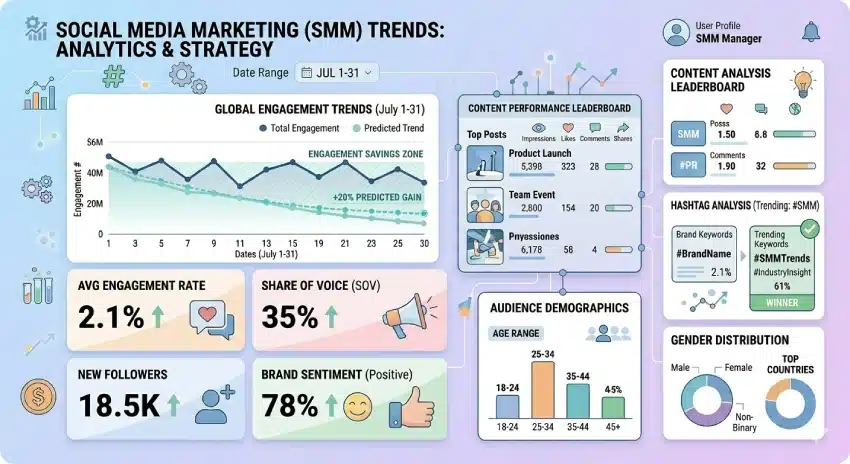


Building a powerful brand today is no longer about just logos, colors, or taglines—it’s about the stories you tell. If you want to build a brand using social media storytelling, you need to connect emotionally, create trust, and give your audience a reason to care. Social media has become the most effective platform for storytelling because it allows brands to communicate directly, authentically, and consistently with their audience.
Whether you’re a startup, freelancer, or growing business, mastering storytelling can turn casual followers into loyal customers. In this guide, you’ll discover proven strategies, actionable steps, and real-world insights to help you build a compelling brand narrative that drives engagement and conversions.
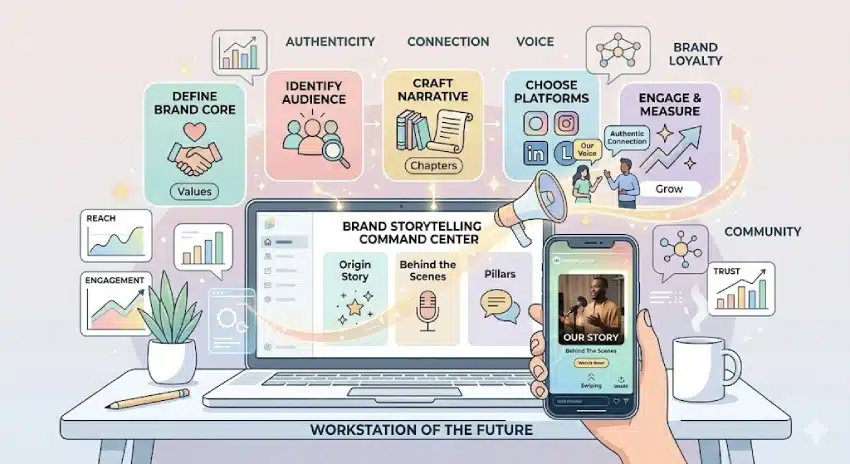
Table of Contents
- What is Social Media Storytelling?
- Why Storytelling Builds Strong Brands
- Social Media Storytelling Strategy
- Step-by-Step Guide to Build Your Brand Story
- Brand Storytelling Examples
- Common Mistakes to Avoid
- Expert Storytelling Marketing Tips
- Best Tools for Storytelling
- FAQs
What is Social Media Storytelling?
Social media storytelling is the art of using narratives, emotions, and relatable content to communicate your brand message across platforms like Instagram, Facebook, LinkedIn, and TikTok.
Instead of selling directly, storytelling focuses on sharing experiences, challenges, and values that resonate with your audience. It humanizes your brand and makes your message memorable.
- It creates emotional connections
- It builds trust over time
- It increases engagement naturally
- It differentiates your brand from competitors
Think of storytelling as the bridge between your brand and your audience’s emotions.
Why Storytelling Builds Strong Brands
If your brand feels forgettable, it’s likely missing a compelling story. People don’t remember features—they remember feelings.
1. Emotional Connection Drives Loyalty
When your audience relates to your story, they are more likely to trust you and stay loyal.
2. It Simplifies Complex Ideas
Instead of explaining your service in technical terms, storytelling makes it easier to understand.
3. Boosts Engagement and Reach
Story-driven content naturally performs better in algorithms due to higher interaction.
4. Builds Authority and Trust (EEAT)
Consistent storytelling shows your experience and expertise, strengthening your brand credibility.
If you’re serious about branding, combining storytelling with SEO strategies ensures both visibility and connection.
Social Media Storytelling Strategy
To build a brand using social media storytelling effectively, you need a structured approach—not random posts.
Core Elements of a Strong Storytelling Strategy
- Brand Voice: Define how your brand speaks
- Audience Persona: Understand their struggles and desires
- Content Themes: Consistent storytelling categories
- Platform Focus: Choose where your audience spends time
For businesses looking to scale faster, integrating storytelling with social media management services can streamline content execution.
Step-by-Step Guide to Build Your Brand Story

Step 1: Define Your Brand Origin Story
People love beginnings. Share why your brand started.
- What problem were you solving?
- What inspired you?
- What challenges did you face?
Step 2: Identify Your Audience’s Pain Points
Your story should reflect your audience’s reality.
Example: If you’re targeting small businesses, talk about growth struggles and digital challenges.
Step 3: Create Relatable Content Themes
- Behind-the-scenes
- Customer success stories
- Daily struggles
- Transformation journeys
Step 4: Use Visual Storytelling
Images and videos amplify your message.
Pair storytelling with a professionally designed website from web development services to create a consistent brand experience.
Step 5: Stay Consistent
Storytelling is not a one-time effort. It’s a long-term strategy.
Step 6: Add Call-to-Actions
Guide your audience:
- Follow your page
- Visit your website
- Contact your team
For direct conversions, encourage users to get in touch here.
Real Brand Storytelling Examples
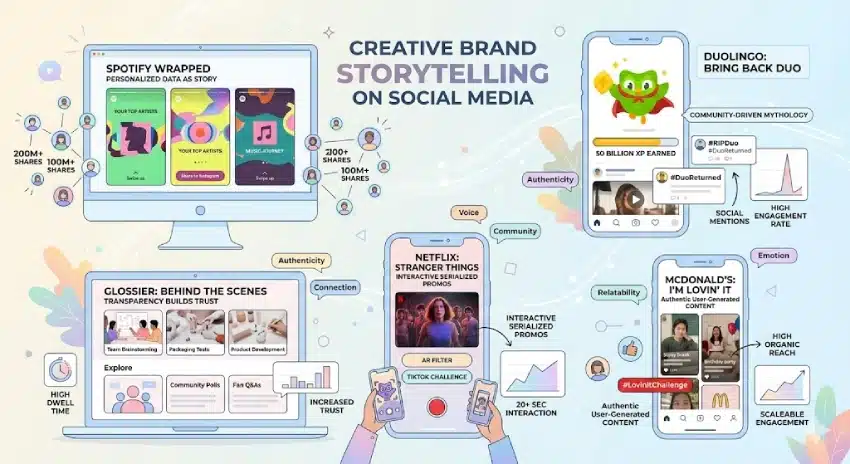
Example 1: Small Business Growth Story
A local clothing brand shared daily struggles, packaging moments, and customer reactions. Result? 3x engagement and loyal followers.
Example 2: Service-Based Brand
A digital agency shared client success journeys instead of just services. This positioned them as experts and increased inbound leads.
You can explore professional services like PPC marketing to amplify storytelling reach.
Example 3: Personal Brand
Entrepreneurs sharing failures and lessons build stronger connections than those only showcasing success.
Common Mistakes to Avoid
- Being too salesy: Focus on connection, not just selling
- No consistency: Random posting kills storytelling impact
- Ignoring audience feedback: Engagement is a two-way street
- Lack of authenticity: Fake stories break trust quickly
Also, ensure your online presence is maintained properly with website maintenance services to avoid losing credibility.
Expert Storytelling Marketing Tips
1. Use the “Hero’s Journey” Framework
Your customer is the hero. Your brand is the guide.
2. Focus on Emotions First
Logic convinces, emotions convert.
3. Show, Don’t Tell
Use visuals, videos, and real-life examples.
4. Repurpose Stories Across Platforms
Turn one story into multiple formats:
- Instagram reel
- LinkedIn post
- Blog article
5. Track Performance
Measure engagement, shares, and conversions to refine your storytelling strategy.
For deeper insights, refer to Google’s helpful content guidelines.
Best Tools for Social Media Storytelling
- Canva – Visual storytelling design
- CapCut – Video storytelling
- Buffer – Content scheduling
- Notion – Story planning
For businesses looking to scale, combining storytelling with email marketing creates a powerful omnichannel brand presence.
Frequently Asked Questions
How do you build a brand using social media storytelling?
To build a brand using social media storytelling, focus on sharing authentic stories, connecting emotionally, and maintaining consistency across platforms. Use visuals, real experiences, and audience-centric narratives.
What platforms are best for storytelling?
Instagram, LinkedIn, Facebook, and TikTok are ideal for storytelling. Choose based on where your target audience is most active.
How often should I post storytelling content?
Consistency matters more than frequency. Posting 3–5 times weekly with meaningful stories is more effective than daily low-quality content.
Can storytelling increase sales?
Yes, storytelling builds trust and emotional connection, which directly impacts buying decisions and improves conversions.
Final Thoughts: Turn Stories into Brand Power
If you truly want to build a brand using social media storytelling, stop thinking like a marketer and start thinking like a storyteller. Every post is an opportunity to connect, inspire, and influence.
The brands that win today are not the loudest—they are the most relatable.
Ready to transform your brand into a powerful story-driven identity? Explore our full range of digital marketing services or learn more about our expertise.
Your story matters. Start telling it today—and watch your brand grow.