
Introduction: Understanding the Battle Between Google Ads and SEO
When it comes to driving traffic, generating leads, and increasing sales, businesses face a critical decision: invest in Google Ads vs SEO. Both are powerful digital marketing strategies, but their approaches, costs, and long-term benefits differ significantly. Understanding which one aligns with your business goals can save you time, money, and effort while maximizing ROI.
In this guide, we’ll explore the advantages and limitations of both Google Ads and SEO, provide actionable insights on when to use each, and help you create a strategy tailored to your business. By the end, you’ll have a clear roadmap for leveraging the right mix of paid and organic traffic to grow your brand.
What is Google Ads?
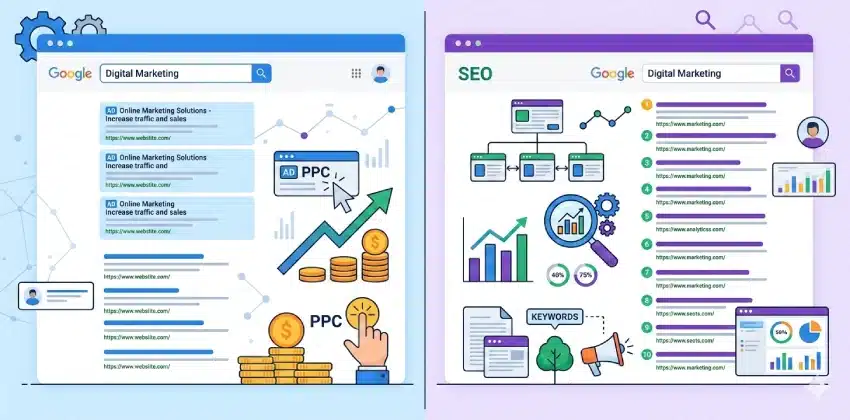
Google Ads, formerly known as Google AdWords, is a paid advertising platform that allows businesses to display their ads on Google search results and partner websites. The platform works on a pay-per-click (PPC) model, meaning you only pay when someone clicks your ad. Google Ads is ideal for businesses looking for immediate visibility and quick traffic.
Benefits of Google Ads
- Immediate Results: Your ads can appear on Google the same day your campaign goes live.
- Targeted Reach: Reach your ideal audience based on keywords, location, device, and demographics.
- Budget Control: Set daily or monthly budgets and adjust bids for optimal performance.
- Measurable ROI: Track clicks, conversions, and sales with precise analytics.
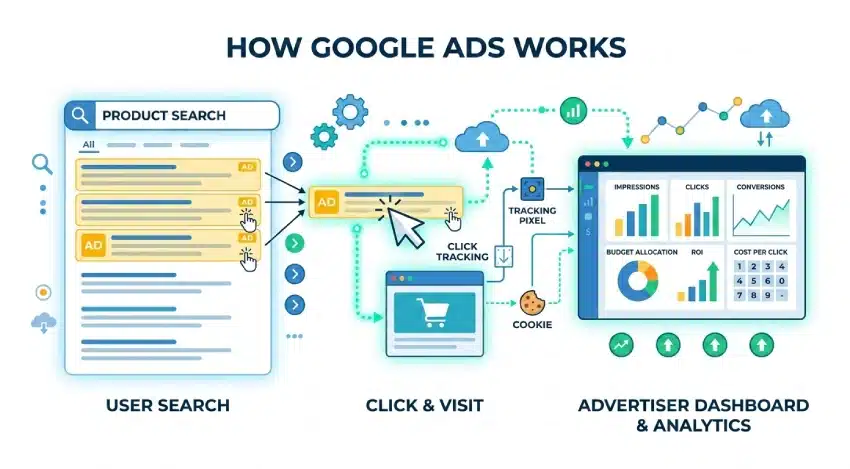
How Google Ads Works
Google Ads operates on an auction system where advertisers bid on keywords relevant to their products or services. When users search for these terms, ads are displayed above organic results. Success depends on ad quality, keyword relevance, and bid strategy. Combining well-written ad copy with landing pages optimized for conversion ensures maximum ROI.
What is SEO?
Search Engine Optimization (SEO) is the process of optimizing your website and content to rank higher in organic search results. Unlike Google Ads, SEO focuses on long-term visibility rather than instant traffic. It involves keyword research, on-page optimization, content creation, link building, and technical improvements to enhance your website’s authority and relevance.
Benefits of SEO
- Cost-Effective: Organic traffic does not require payment per click.
- Long-Term Results: High-ranking pages continue to attract traffic over time.
- Authority and Trust: Users trust organic results more than paid ads.
- Wide Reach: SEO captures traffic from multiple sources and long-tail keywords.
How SEO Works
SEO involves optimizing your website structure, creating high-quality content, and building authoritative backlinks. Google evaluates websites based on relevance, authority, user experience, and technical performance. Effective SEO requires ongoing monitoring, keyword strategy adjustments, and content updates.
Google Ads vs SEO: Key Differences
| Aspect | Google Ads | SEO |
|---|---|---|
| Cost | Pay per click, immediate cost | Time and effort upfront, minimal ongoing cost |
| Time to Results | Immediate traffic | Weeks to months |
| Longevity | Stops when budget ends | Long-term visibility |
| Trust | Viewed as paid promotion | Viewed as organic authority |
| Targeting | Highly precise, demographic & keyword-based | Broad but intent-driven via keywords |
When to Choose Google Ads
Google Ads is ideal for businesses needing instant results, launching new products, or running seasonal campaigns. If your goal is to quickly generate leads, test market demand, or complement slower organic growth, a PPC campaign can deliver measurable outcomes within days.
For example, services like WhatsApp Marketing or Pay-Per-Click campaigns benefit from immediate audience reach, ensuring your message lands in front of potential customers promptly.
When to Choose SEO
SEO is a long-term strategy for sustainable growth. If your business wants to build brand authority, attract consistent organic traffic, and reduce reliance on paid campaigns, SEO is the preferred approach. Industries with competitive keywords, like SEO services or Web Development, see exponential ROI from high-ranking content.
SEO also improves your website’s user experience, loading speed, and technical structure, which indirectly supports conversions and retention.
Combining Google Ads and SEO for Maximum Impact
Many successful businesses adopt a hybrid strategy, leveraging both Google Ads and SEO. Paid ads provide immediate traffic and insights on high-converting keywords, which can inform your SEO strategy. Simultaneously, SEO builds organic authority and reduces long-term advertising costs.
- Use Google Ads to test keywords for SEO content creation.
- Target short-term promotions with Google Ads while ranking organically for evergreen content.
- Analyze paid campaign metrics to improve site structure and conversion rate optimization.
A combined approach ensures your business captures both instant leads and long-term organic traffic, creating a resilient marketing funnel.
Case Studies: Real Businesses That Benefited
1. Startup E-commerce Brand: Leveraged Google Ads for product launches while building SEO-optimized blog content. Result: 3x traffic in 6 months and 40% reduction in ad costs over time. 2. Local Service Provider: Focused on local SEO to rank for “digital marketing services near me” while running Google Ads for seasonal promotions. Result: Dominated search results and increased local leads by 60%. 3. Software Company: Combined SEO for thought leadership articles with Google Ads for webinars. Result: High-quality leads at lower acquisition costs.
Common Mistakes in Google Ads vs SEO Strategy
- Ignoring conversion tracking in Google Ads campaigns.
- Focusing solely on short-tail keywords for SEO.
- Duplicating ad and content strategies without differentiation.
- Neglecting website speed and mobile optimization.
Tips for Choosing the Right Strategy
- Define your business goals clearly: immediate leads vs long-term growth.
- Analyze competitors’ paid and organic strategies.
- Allocate budgets strategically: short-term campaigns vs ongoing SEO investment.
- Continuously monitor and adjust campaigns based on performance data.
- Consult with digital marketing experts to craft a hybrid strategy.
Frequently Asked Questions
Which is better for a new business: Google Ads or SEO?
For a new business, Google Ads provides instant traffic and visibility, while SEO builds long-term organic growth. A combination of both is usually ideal.
Can Google Ads help improve SEO results?
Yes, Google Ads can provide valuable keyword performance data, which helps in creating SEO-optimized content targeting high-converting terms.
How much should I invest in Google Ads vs SEO?
Investment depends on business goals. Start with a test budget for Google Ads while investing in SEO gradually. Focus on ROI and conversion metrics for adjustments.
Conclusion: Choosing the Right Path for Your Business
Choosing between Google Ads vs SEO isn’t about picking one over the other—it’s about aligning strategy with business objectives. Google Ads delivers immediate results, ideal for short-term campaigns, while SEO builds sustainable growth, authority, and trust. The most effective businesses use a combination of both to maximize traffic, leads, and revenue.
Ready to grow your business with a data-driven strategy? Explore our digital marketing services or contact us today to craft a customized plan tailored to your goals.
Reference: WordStream: Google Ads vs SEO